
How Much Money Do You Need to Buy a House in Wisconsin?
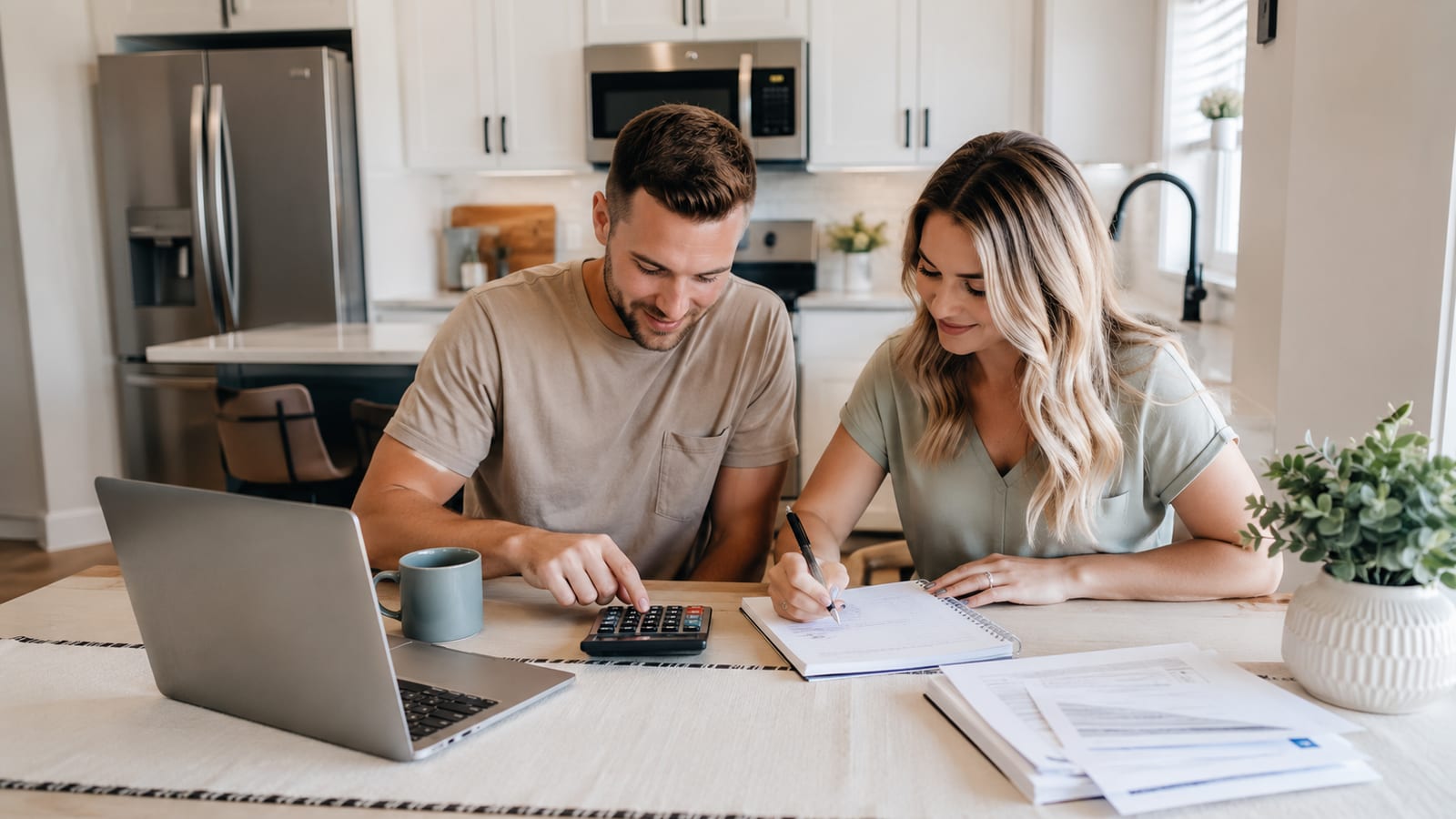
“How much do I need to buy a house?” is the first real question most buyers ask, and the honest answer is that the down payment is only part of it. Here is the full picture of the cash it takes to buy a home in Wisconsin, from the money you put down to the reserves your lender wants to see afterward.
The down payment
This is the big one, and it is usually smaller than people think. The minimum depends on your loan:
- FHA loan: as low as 3.5 percent down for qualified buyers (HUD).
- Conventional loan: as little as 3 percent down with some lenders.
- VA and USDA loans: zero down for eligible buyers and areas.
On a $300,000 home, 3.5 percent is $10,500 and 20 percent is $60,000. That gap is why so many buyers use lower-down-payment loans. Just remember the trade-off below.
Private mortgage insurance (PMI)
If you put down less than 20 percent on a conventional loan, you will typically pay private mortgage insurance until you build enough equity. PMI protects the lender, not you, and it is added to your monthly payment. It is not permanent, but it is a real monthly cost to budget for. The CFPB explains how mortgage insurance works and when it can come off.
Earnest money
When your offer is accepted, you put down earnest money, a good-faith deposit that shows the seller you are serious. It is commonly in the range of 1 to 2 percent of the purchase price, though the amount is negotiable and varies by market. This is not an extra cost: it is credited toward your down payment and closing costs at closing. You do lose it if you back out for a reason not protected by your contract’s contingencies, which is one more reason to keep those contingencies in place.
Home inspection
You pay for the home inspection out of pocket, usually shortly after your offer is accepted. Nationally, a single-family inspection commonly runs about $300 to $500, with larger or older homes costing more (Angi 2026 data). In Wisconsin it is money well spent: our inspection checklist covers the basement, radon, roof, and furnace issues worth catching before you commit. You may also add specialty tests (radon, sewer scope) for an extra fee.
Appraisal
If you are financing, your lender orders an appraisal to confirm the home is worth what you are paying. It typically costs a few hundred dollars and is often rolled into your closing costs. If the appraisal comes in below your offer, that can reopen negotiation, so it matters. It is not the same thing as your inspection, and the difference is worth understanding before you pay for both.
Closing costs
These are the fees to finalize your loan and the sale: lender fees, title insurance, recording fees, prepaid interest, and setting up your escrow account for taxes and insurance. For buyers they commonly total a few percent of the purchase price, though the exact figure varies by loan and lender. Your lender must give you a Loan Estimate early in the process that lays these out, and comparing estimates from two or three lenders is one of the easiest ways to save money.
One Wisconsin note in your favor: the seller customarily pays the state real estate transfer fee, so that is not on your side of the ledger.
Property taxes at closing
Wisconsin pays property taxes in arrears, so taxes are prorated at closing. In most cases the seller credits you for the portion of the year they owned the home, and you pay the full bill when it arrives. The default method uses the prior year’s net tax bill (Wisconsin County Treasurers Association). Your lender will usually collect several months of taxes up front to seed your escrow account.
Cash reserves
Beyond everything above, lenders often want to see that you have some money left after closing, called reserves, typically a couple of months of mortgage payments. Even when it is not strictly required, having a cushion for the first repairs and furnishings is smart. Owning a home comes with costs a rental never did.
A rough example
For a $300,000 home with a low-down-payment loan, a buyer might bring roughly:
- Down payment (3.5 percent): about $10,500
- Closing costs (a few percent): often $6,000 to $12,000
- Inspection and appraisal: a few hundred dollars each
- A reserve cushion afterward
Your earnest money counts toward the first two, not on top of them. These are illustrations, not quotes; your real numbers depend on the home, your loan, and your lender.
How to get your actual numbers
The fastest way to replace ranges with real figures is a conversation with a lender for a pre-approval and a local agent who knows what homes are really selling for. Browse market data for the cities you are considering, then get matched with a vetted local buyer agent who can pair you with a trusted lender. Also see our first-time buyer guide for the full step-by-step.
Sources
Ready to Put a Real Budget Together?
Get matched with a local buyer agent and a trusted lender who can turn these ranges into your actual numbers. Free, no obligation.
Get matched with a buyer agent →Keep Reading
 Buying
 Appraisal vs Inspection: What Each One Is For When You Buy in Wisconsin
They happen around the same time and get confused constantly. One protects your lender, the other protects you. Here is what each covers and who pays.
 Selling
 The Best Time to Sell a House in Southeast Wisconsin, According to 10 Years of Local Data
Ten years of Southeast Wisconsin listing data show a clear seasonal pattern: winter inventory sits about twice as long as spring inventory, every year.
 Selling
 Buying and Selling at the Same Time in Southeast Wisconsin
Most movers have to do both, and the order you do them in decides how much risk you carry. Here are the options, the tradeoffs, and what to sort out first.