
First-Time Home Buyer Guide to Wisconsin: From Preapproval to Closing

Buying your first home in Southeast Wisconsin is a big step, and the process has more moving parts than most people expect. The good news: it follows a predictable path, and knowing that path ahead of time removes most of the stress. Here is the whole thing, from your first budgeting conversation to the day you get the keys.
1. Get your finances in shape
Before you look at a single listing, get a clear picture of your money. Lenders look closely at three things: your credit score, your debt compared to your income (your debt-to-income ratio), and how much cash you have for a down payment and closing costs.
You do not need perfect credit or a huge savings account to buy. But the stronger these numbers are, the better your interest rate, so it pays to check your credit report, pay down high-interest debt where you can, and avoid opening new credit lines in the months before you apply.
2. Understand how little you may need down
The biggest myth in home buying is that you need 20 percent down. You often do not:
- FHA loans allow a down payment as low as 3.5 percent for buyers who qualify (per HUD).
- Conventional loans are available from some lenders with as little as 3 percent down.
- VA loans (for eligible veterans and service members) and USDA loans (in eligible rural areas) can offer zero down payment.
If you put down less than 20 percent on a conventional loan, you will usually pay private mortgage insurance until you build enough equity. Our companion guide breaks down how much money you actually need to buy a house in Wisconsin, including closing costs and reserves.
3. Look into Wisconsin first-time buyer help
Wisconsin has a state housing agency, WHEDA (the Wisconsin Housing and Economic Development Authority), that offers programs specifically for buyers who need help with the up-front cash. Its down payment assistance can take the form of a second mortgage put toward your down payment and closing costs, with repayment deferred until you sell or pay off your first mortgage.
WHEDA does not lend to buyers directly. You access its programs through approved local banks, credit unions, and mortgage lenders, so ask any lender you talk to whether they offer WHEDA loans. See the current list on WHEDA’s available programs page.
4. Get pre-approved
A pre-approval is a lender’s written estimate of how much they will lend you, based on documents you provide (pay stubs, tax returns, bank statements). It does two things: it tells you your real budget, and it makes your offer credible to sellers. In a competitive Southeast Wisconsin market, a serious seller will not consider an offer without one.
Talk to more than one lender. Rates and fees vary, and comparing a couple of Loan Estimates side by side can save you real money over the life of the loan.
5. Find a local buyer agent
Once you know your budget, get a buyer agent who actually works the communities you are targeting. Local knowledge matters enormously here: pricing, competition, and what homes really sell for shift block to block between Milwaukee, Waukesha, Kenosha, and everywhere in between. Our guide on choosing the right agent covers the questions to ask. If you want a shortcut, RRS can match you with a vetted local buyer agent for free.
6. Shop with your must-haves in focus
Make two lists: your non-negotiables and your nice-to-haves. Price, location, number of bedrooms, and commute usually drive the non-negotiables. Browse current market data for the cities you are considering so your expectations match reality before you tour. Your agent will set up showings and help you read each home clearly, including the things first-time buyers often miss.
7. Make an offer
When you find the one, your agent writes an offer on Wisconsin’s standard residential contract (the WB-11 Offer to Purchase). It is more than a price: it includes your financing terms, the closing date, how much earnest money you put down, and contingencies that protect you (financing, inspection, and appraisal). In a tight market, structuring the offer well matters as much as the number. Our guide on making a competitive offer without overpaying goes deeper.
8. Inspection and appraisal
After your offer is accepted, you will typically order a home inspection, and if you are financing, your lender orders an appraisal. They are easy to confuse and they do very different jobs, so it is worth knowing what each one is actually for before either report lands.
The inspection is your protection. In Wisconsin, pay special attention to the basement (water and moisture), the roof, the furnace age, and radon, all of which our climate makes worth checking. Use our Wisconsin home inspection checklist so you know what to look for. If the inspection turns up problems, this is a normal point to renegotiate.
9. Closing
At closing, you sign the final paperwork, your loan funds, and the home becomes yours. A few Wisconsin specifics to expect:
- Property taxes are paid in arrears here, so taxes are prorated at closing and the seller typically credits you for the part of the year they owned the home (per the Wisconsin County Treasurers Association).
- You will bring your down payment and closing costs, usually by wire or cashier’s check.
- The seller customarily pays the state real estate transfer fee, not you.
Common first-time buyer questions
How much do I need saved?
Enough for your down payment (as low as 3 to 3.5 percent on many loans) plus closing costs (commonly a few percent of the price) and a small cushion. See the full breakdown in how much money you need to buy.
Do I need 20 percent down?
No. Many first-time buyers put down far less. Twenty percent lets you avoid mortgage insurance, but it is not required.
How long does the process take?
From accepted offer to closing is commonly 30 to 45 days, though it varies. Finding the right home can take longer, especially in competitive price ranges.
Is getting matched with an agent really free?
Yes. There is no charge from RRS to be matched. Any services and compensation with the agent you choose are set out in your written buyer agreement, which you review before you tour homes.
Buying your first home is a lot to take in, but you do not have to figure it out alone. A good local agent guides you through each step, and the right lender makes the money side clear from day one.
Sources
Buying Your First Home in Southeast Wisconsin?
Get matched with a patient local buyer agent who will walk you through every step. Free, no obligation.
Get matched with a buyer agent →Keep Reading
 Buying
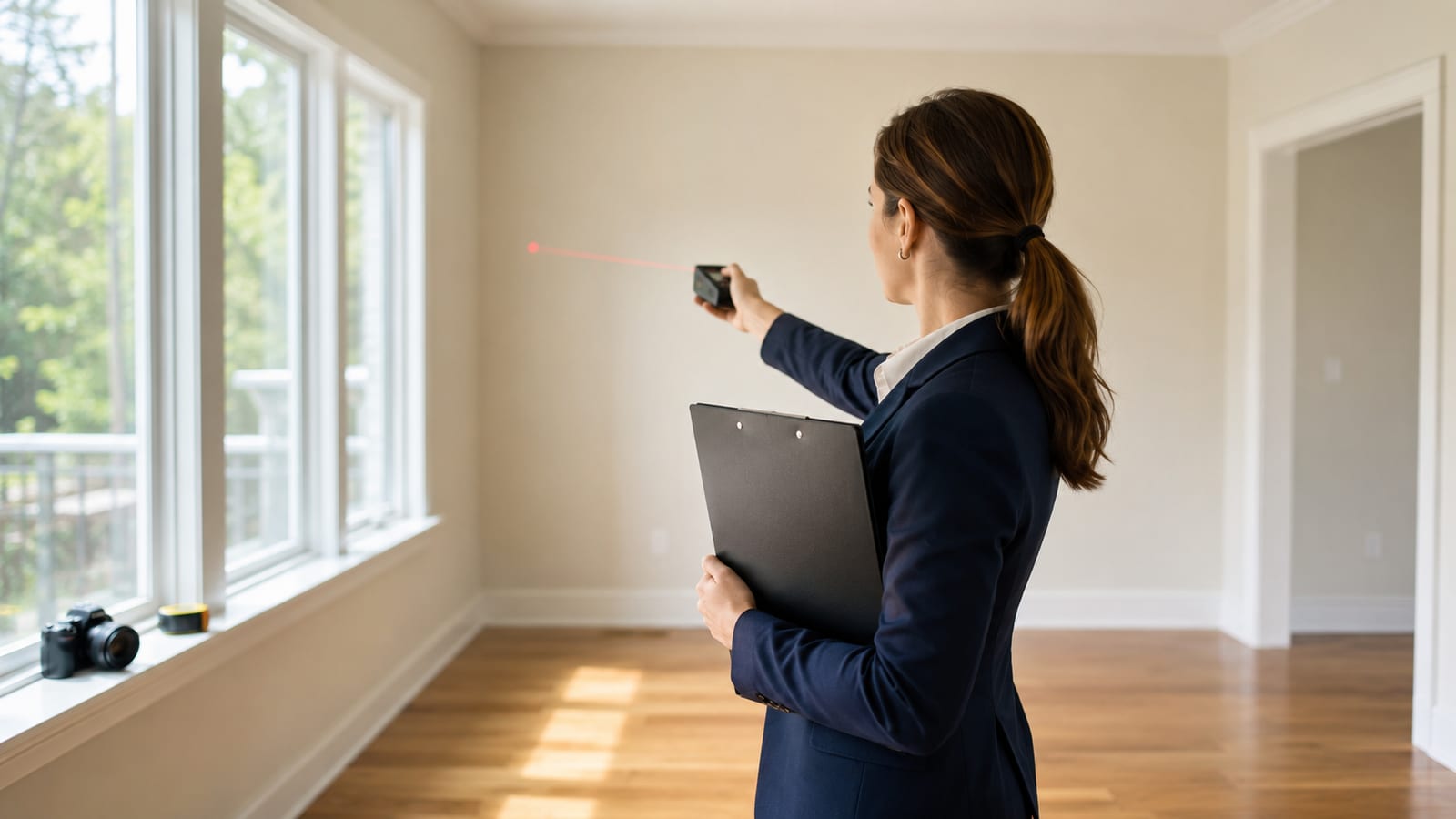
 Appraisal vs Inspection: What Each One Is For When You Buy in Wisconsin
They happen around the same time and get confused constantly. One protects your lender, the other protects you. Here is what each covers and who pays.
 Selling
 The Best Time to Sell a House in Southeast Wisconsin, According to 10 Years of Local Data
Ten years of Southeast Wisconsin listing data show a clear seasonal pattern: winter inventory sits about twice as long as spring inventory, every year.
 Selling
 Buying and Selling at the Same Time in Southeast Wisconsin
Most movers have to do both, and the order you do them in decides how much risk you carry. Here are the options, the tradeoffs, and what to sort out first.